

JAVA
JAVAN GIBBONS
The Javan gibbon is unique to the Indonesian island of Java; where estimates indicate less than 2,500 mature individuals remain. Gibbons are the most endangered primate species in the world; threatened by the illegal pet trade, hunting for food and medicine and deforestation.
In 2010 we set up our rescue centre. Designed by the head primate keeper at Port Lympne, the enclosures were a quick and cost effective build, whilst being strong and easy to re- to allow for rehabilitation, pre-release habituation, and quarantine. Since then we sent 7 gibbons from our parks in Kent to our Java project. In total we have released 40 Javan gibbons back to the wild and so far recorded 3 wild births.

Rescuing and releasing
GIBBONS
World's most successful
BREEDERS
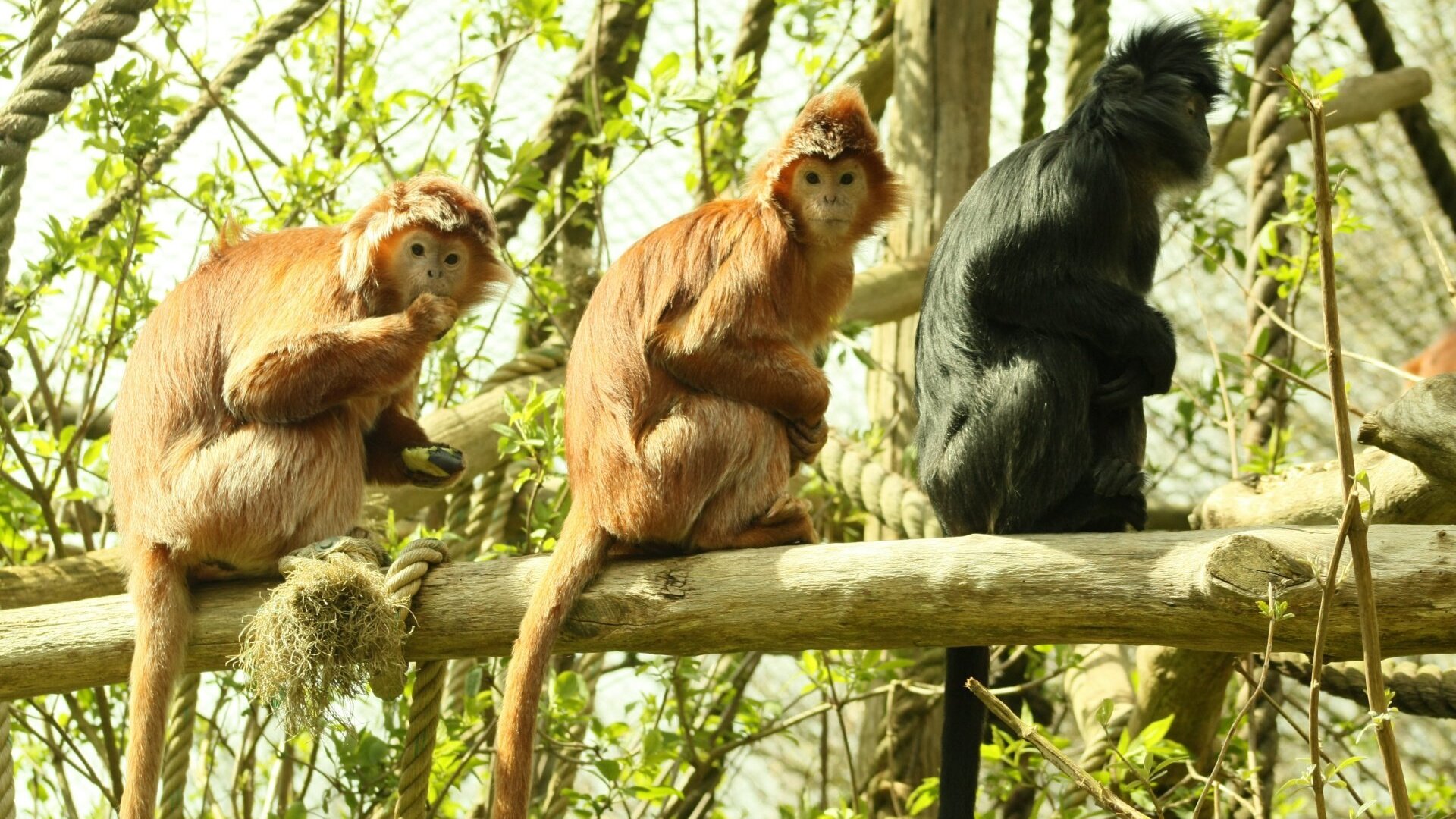
Javan langurs
UNIQUE SPECIES
Rescuing and releasing
BACK INTO THE WILD
the process of preparing them for a life of freedom takes time, experience and the care of dedicated people. We have released over 135 primates Back to The Wild
World's most successful
2003-2016
While these zoos are cooperating in a captive breeding programme, only a small number are breeding successfully. With 50 viable births since 1988, Howletts and Port Lympne Wild Animal Parks are the world's most successful breeder of this species. We will continue to send gibbons back to the wild.
Javan langurs
BACK HOME
In 2012 our centre carried out its first release of rehabilitated wild-born langurs; a group of 13. At the time, our extensive population surveys suggested the number in the wild might be as low as 2,700. The first Javan langurs to leave our parks to make the journey home were a group of six in 2013. After a period of acclimatisation they were introduced to wild-born rescued langurs prior to release. Since 2012 a further 36 langurs have been sent from our parks to Java. We have released a total of 13 Javan grizzled leaf langurs and 106 Javan langurs back to the wild. We have recorded over 30 wild births to released ebony langurs and grizzled leaf langurs.
are also an endangered primate unique to Java, whose numbers in the wild continue to decrease.
to the rescued wild-born individuals of this small, slender Old World monkey, we sent our first group of five from our parks in 2014.
a further group of seven left the UK to go home.
JAVA PRIMATE RESCUE CENTRES
By the end of 2019 we had returned 159 primates, across three species (Javan gibbons, grizzled langurs and Javan langurs). Most have adapted well to their environment, and some have given birth, strongly indicating that rehabilitation and captive breeding programmes can work. With each release, and ongoing monitoring, we learn more about the complexity of the process. Our aim remains to rescue, rehabilitate, breed and release these endangered animals back to the wild.
This work is only possible with the generous donations of individual supporters. Every year we spent just under £165,000 in Java covering the costs of our team headed by experienced primatologist Made Wedana and all the expenses for maintaining both sites – from maintenance of enclosures to veterinary expenses; food and supplies for the animals under our care; and daily post-release monitoring. We make a little go a long way and strive to ensure that every pound is well-spent.

The investment you make will pay dividends, not in a financial sense, but in the incalculable reward of helping to save a species.